Header








Blog

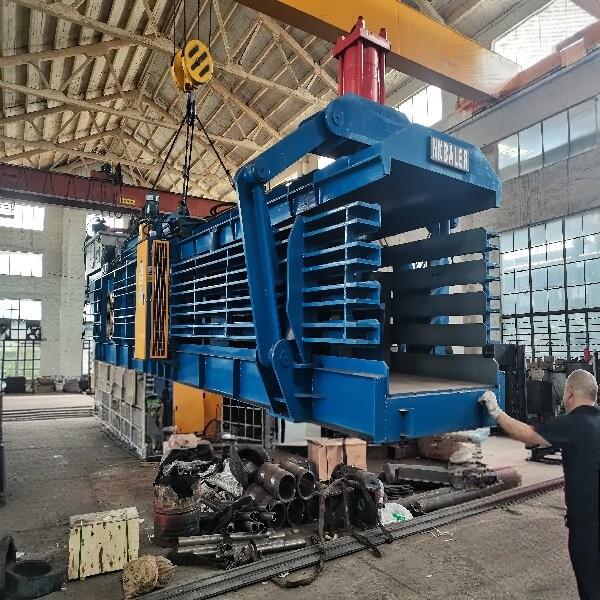
NKBALER Servo System: Advancing Hydraulic Baler Tech
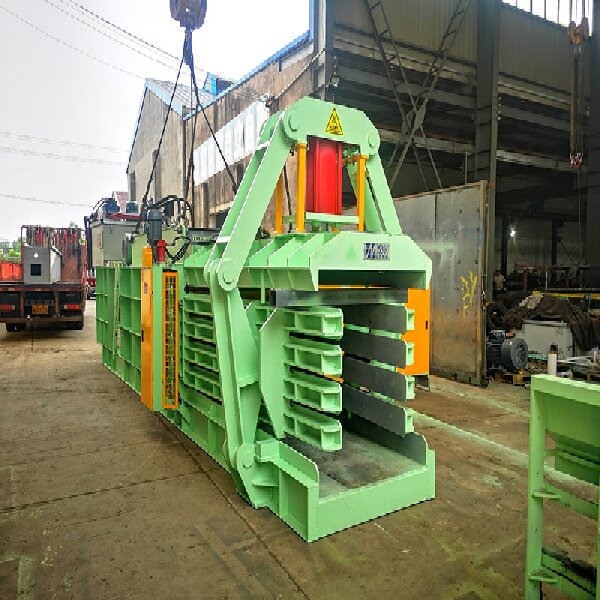
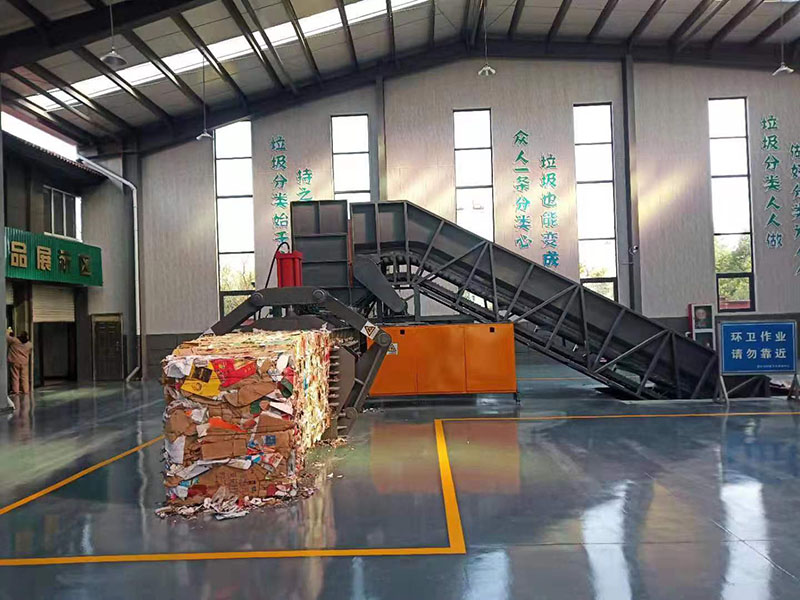
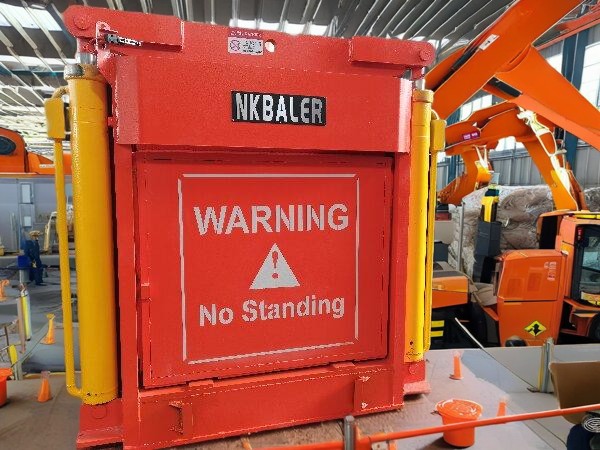
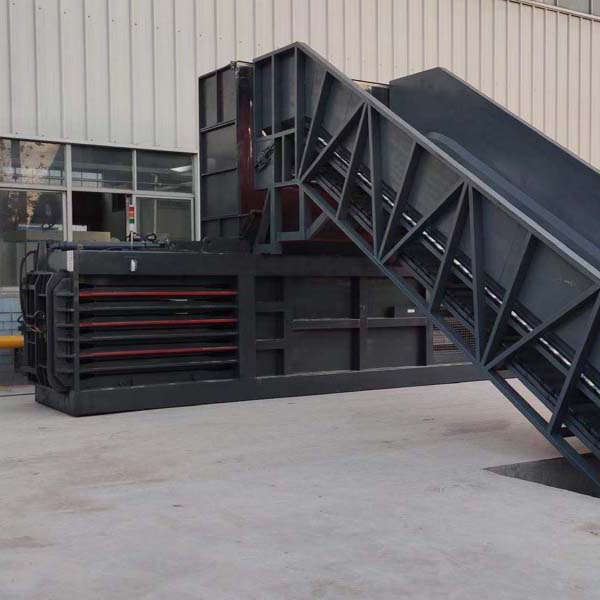
NKBALER Servo system Hydraulic Baler represents a significant leap in waste management technology, offering precision and efficiency that set it apart in the recycling industry. This advanced machine integrates servo technology with hydraulic systems to optimize performance, making it a compelling choice for modern operations. In this article, we’ll compare and contrast the NKBALER Servo system Hydraulic Baler with traditional hydraulic balers, highlighting how it addresses key challenges in industrial waste handling while incorporating the latest baler technology advancements.

Understanding Traditional Industrial Waste Balers
Industrial waste balers have long been essential for compressing materials like cardboard and plastics, but traditional models often rely on basic hydraulic mechanisms that prioritize brute force over energy efficiency. For instance, conventional industrial waste balers might excel in high-volume applications, such as baling cardboard in warehouses, yet they frequently consume more power and require more maintenance due to their less precise control systems. In contrast, the NKBALER Servo system Hydraulic Baler introduces servo motors that provide exact control over the baling process, reducing energy waste and improving output consistency. This comparison reveals that while industrial waste balers like older hydraulic models are reliable for basic tasks, they fall short in adaptability compared to the NKBALER’s innovative design, which can handle varying material densities with minimal adjustments. Baler technology advancements, such as those in the NKBALER, make it easier to process diverse wastes without the downtime associated with traditional setups.
Comparing Efficiency in Plastic Baler Solutions
Plastic baler solutions have evolved to meet the demands of recycling facilities, where efficiency and material-specific performance are crucial. Traditional plastic baler solutions often struggle with inconsistent compression, leading to bales that are not uniformly dense, which can complicate transportation and storage. The NKBALER Servo system Hydraulic Baler, however, uses its servo-driven hydraulics to deliver precise pressure adjustments, ensuring that plastic materials are baled more effectively than with standard models. For example, in operations focused on plastic waste, the NKBALER outperforms traditional balers by reducing cycle times and minimizing material slippage, a common issue in older systems. This contrast highlights how baler technology advancements in the NKBALER enhance productivity, whereas industrial waste balers without servo integration might require manual tweaks, increasing labor costs. While baler for cardboard applications can benefit from both types, the NKBALER’s ability to switch between materials seamlessly gives it an edge, making it a more versatile option for facilities dealing with mixed recyclables.
Contrasting Durability and Maintenance in Baler for Cardboard
Baler for cardboard is a specific niche where durability plays a key role, as these machines often operate in high-throughput environments. Traditional balers in this category are built tough but tend to wear down faster due to their reliance on high-pressure hydraulics, which can lead to frequent repairs and component replacements. In comparison, the NKBALER Servo system Hydraulic Baler incorporates advanced materials and servo technology that reduce mechanical stress, extending the machine’s lifespan and lowering long-term maintenance needs. This difference is particularly evident in baler for cardboard scenarios, where the NKBALER maintains consistent performance over extended periods, unlike its counterparts that may experience hydraulic leaks or motor failures. Plastic baler solutions from traditional lines might handle cardboard adequately, but they often lack the precision that prevents over-compression, potentially damaging materials. Industrial waste balers like the NKBALER represent a forward-thinking approach, contrasting sharply with older models by offering built-in diagnostics that predict issues before they escalate, thus ensuring uninterrupted operations.
Energy Efficiency and Environmental Impact
When evaluating energy efficiency, the NKBALER Servo system Hydraulic Baler stands out by using servo technology to optimize power usage, consuming up to 30% less energy than traditional hydraulic balers during operation. This advancement not only cuts operational costs but also aligns with sustainability goals, making it a preferable choice for eco-conscious businesses. In contrast, many industrial waste balers still operate on outdated systems that draw excessive power, contributing to higher carbon footprints. For plastic baler solutions, the NKBALER’s efficient design means less waste in terms of energy, directly impacting the environmental benefits of recycling processes. Baler technology advancements like those in the NKBALER allow for better integration with renewable energy sources, whereas traditional models might not adapt as easily. This comparison underscores how the NKBALER not only matches but exceeds the capabilities of baler for cardboard in terms of green technology, promoting a more sustainable approach to waste management.
The Future of Baler Technology Advancements
Looking ahead, baler technology advancements are poised to redefine the industry, with innovations like the NKBALER Servo system Hydraulic Baler leading the charge. Traditional industrial waste balers served their purpose in the past, but their limitations in speed and adaptability are becoming more apparent as regulations tighten around waste processing. The NKBALER, with its hybrid servo-hydraulic system, offers a balanced solution that combines the power of hydraulics with the precision of electronic controls, making it ideal for multifaceted operations. In plastic baler solutions, this means handling challenging materials with greater ease, while for baler for cardboard, it ensures optimal density without risking equipment strain. This ongoing contrast between emerging and established technologies highlights the NKBALER’s role in driving efficiency gains. Overall, as companies adopt these advancements, the shift towards more intelligent, resource-efficient systems will likely dominate, positioning the NKBALER as a benchmark for future developments in waste management.
Recent Posts
Get In Touch With Us Now For A Product Quote


Hello! What do you need help with?