Header








Blog

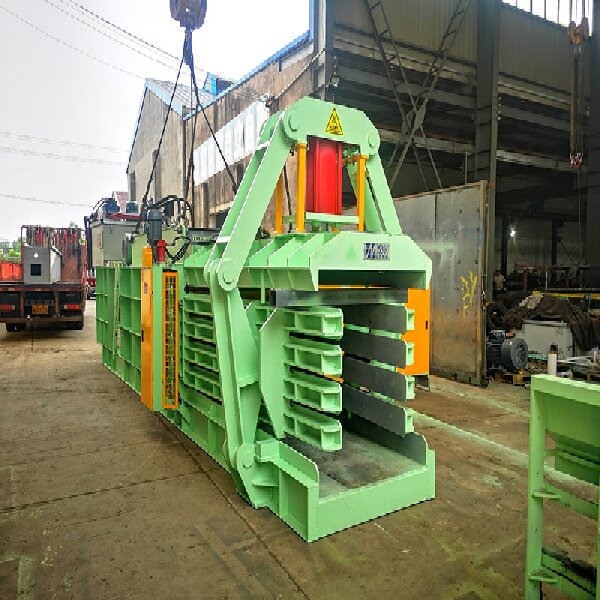
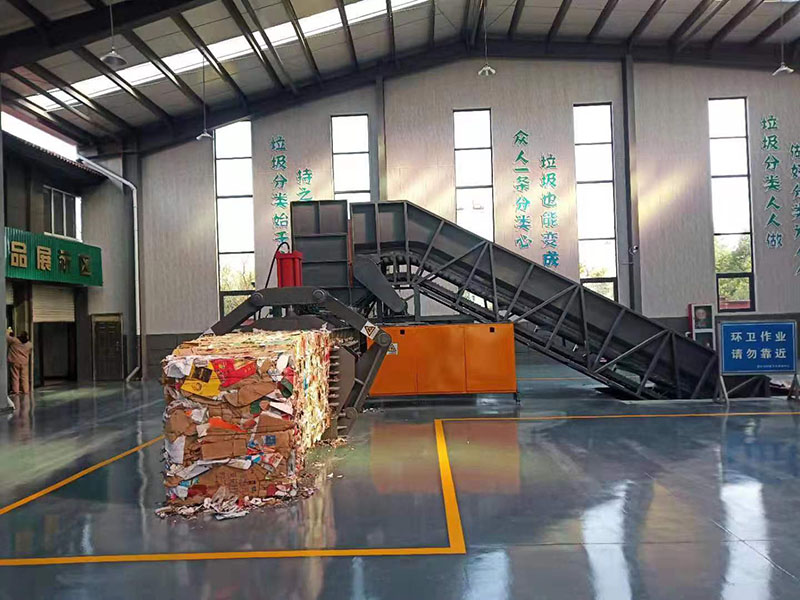
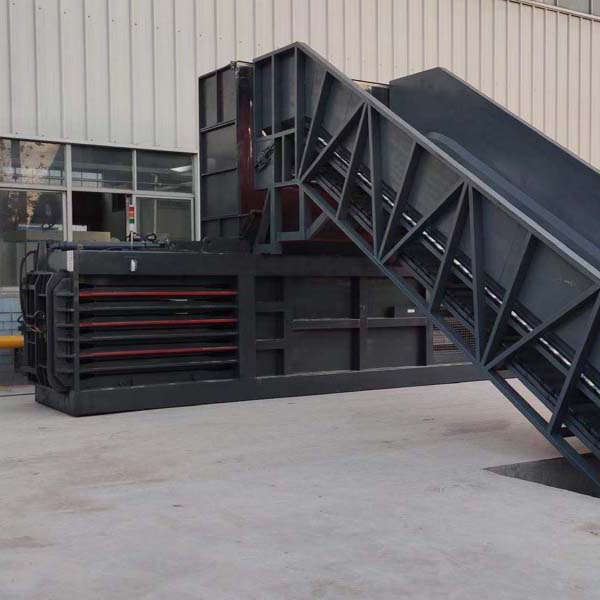
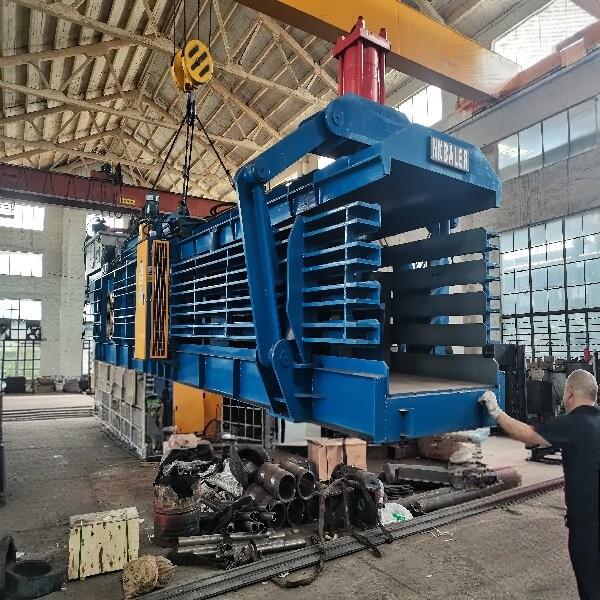
What Are The Differences Between A Door-Type Waste Paper Baler And A Standard Waste Paper Baler?
The main differences between a door-type waste paper baler and a standard waste paper baler lie in their structural design, operating efficiency, scope of application, and ease of operation. A detailed analysis is provided below:
1. Structural Design Differences
The door-type waste paper baler utilizes a portal frame structure with an openable door at the front of the baling chamber, controlled by a hydraulic system. This design allows the door to be opened and the bales ejected directly after compression, eliminating the need to remove the mold, significantly simplifying the process. Standard balers typically have a fixed-chamber structure, requiring manual unloading and mold replacement, resulting in cumbersome operation.
2. Efficiency Comparison
The door-type baler supports continuous operation, with an automatic door lock mechanism enabling rapid compression cycles. For example, a single baling cycle can be shortened to 3-5 minutes, enabling a daily processing capacity of 20-30 tons. Standard models, due to the need for manual cleaning of the compression chamber, can only complete 6-8 baling cycles per hour, reducing efficiency by approximately 40%.
3. Application Scope
The open-and-close door design is particularly suitable for processing high-density waste paper (such as corrugated cardboard, books, and magazines). Its enhanced hydraulic system provides 150-200 tons of compression force, producing bales with a density of up to 800 kg/m³. Standard models are primarily used for processing loose waste paper (such as newspapers and packaging paper), with compression forces generally ranging from 80-120 tons and bale densities of approximately 500 kg/m³.
4. Improved Operational Safety
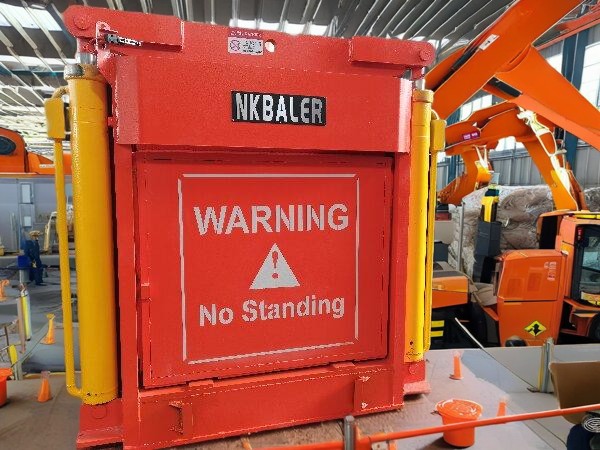
Open-and-close door models are equipped with multiple safety features: an infrared sensor anti-pinch system, hydraulic overload protection, and an emergency stop button, effectively reducing workplace hazards. Standard models have fewer safety features and require more manual intervention, resulting in a relatively high accident rate.
5. Economic Analysis
Although the purchase cost of open-and-close door models is approximately 30% higher than that of standard models, their increased automation reduces the number of operators by two to three, saving 150,000 to 200,000 yuan in annual labor costs. Regarding maintenance, the modular design increases the efficiency of replacing major components by 50% and reduces downtime by 60%. In summary, open-door balers are more suitable for medium- to large-scale waste paper recycling stations seeking high efficiency and safety, while standard models are more suitable for smaller, less frequent operations. Users should choose a suitable model based on their actual processing volume, material type, and investment budget.

Why Choose Nick Baler’s Waste Paper & Cardboard Balers?
Reduces waste paper volume by up to 90%,maximizing storage and transport efficiency.
Available in fully automatic and semi-automatic models,tailored for different production scales.
Heavy-duty hydraulic compression,ensuring dense,export-ready bales.
Optimized for recycling centers, logistics hubs, and packaging industries.
Low-maintenance design with user-friendly controls for hassle-free operation.
Industries That Benefit from Paper & Cardboard Balers
Packaging & Manufacturing – Compact leftover cartons, corrugated boxes, and paper waste.
Retail & Distribution Centers – Manage high-volume packaging waste effectively.
Recycling & Waste Management – Convert paper waste into recyclable, high-value bales.
Publishing & Printing – Dispose of outdated newspapers, books, and office paper efficiently.
Logistics & Warehousing – Reduce OCC and packaging waste for streamlined operations.
htps://www.nkbaler.com
Email:Sales@nkbaler.com
WhatsApp:+86 15021631102
Recent Posts
Get In Touch With Us Now For A Product Quote


Hello! What do you need help with?