Header








Blog

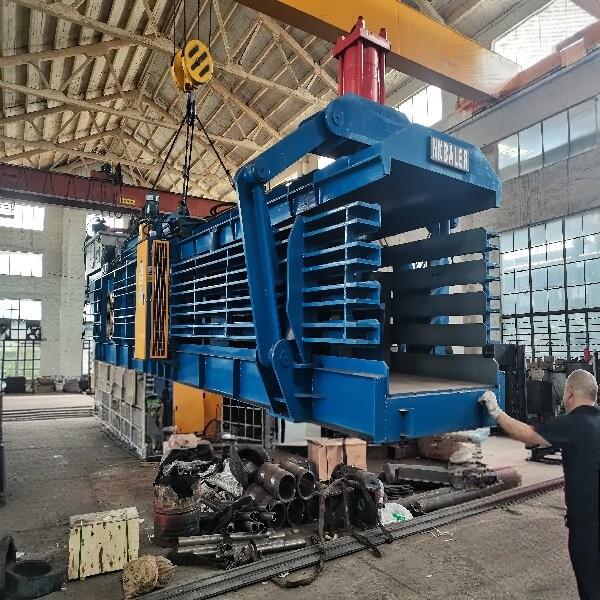
Alfalfal Hay Baling Machine: A Sustainable Solution
Alfalfa Hay Baling Machine has become an essential tool for farmers and agricultural operations looking to streamline the process of harvesting and storing alfalfa. This specialized equipment helps in compressing alfalfa into compact bales, making it easier to transport and store while preserving its nutritional value. As the demand for efficient farming solutions grows, understanding the right machinery can significantly enhance productivity and reduce waste in the field.

The Basics of Alfalfa Baling Equipment
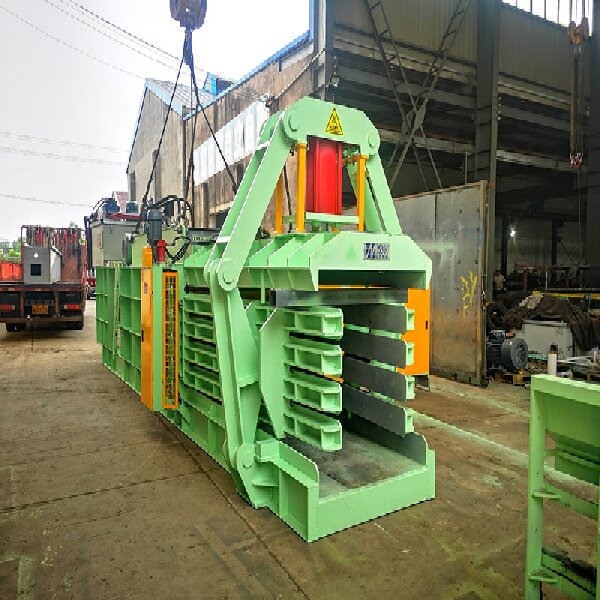
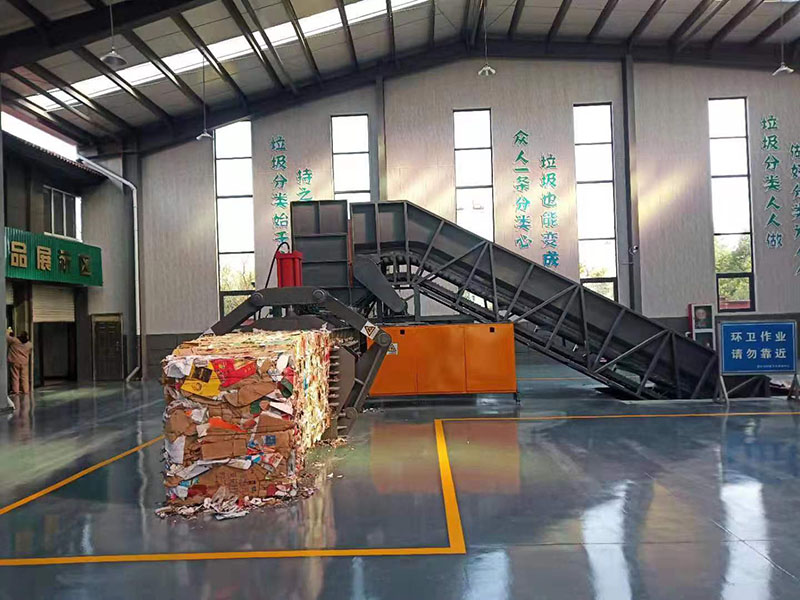
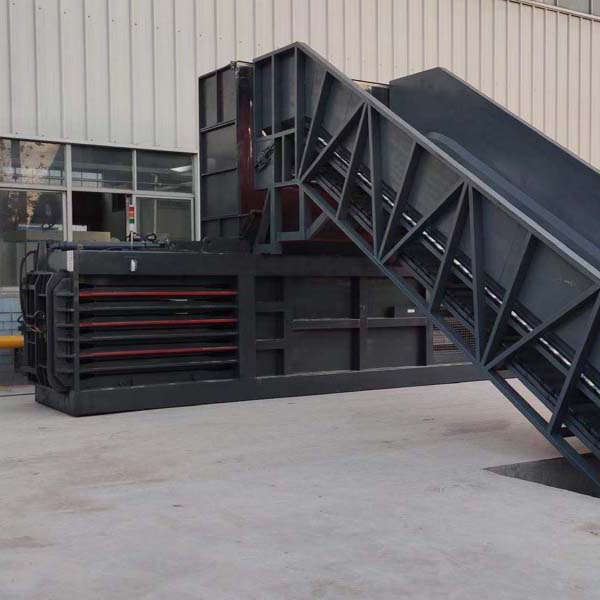
Alfalfal Hay Baling Machine is designed to handle the unique challenges of baling hay, such as its density and moisture content. This type of equipment, like the NKBALER Industrial Compactor, features a robust hydraulic press that efficiently compresses materials into tight bales. Hay baler for alfalfa ensures that the process is not only fast but also minimizes downtime, which is crucial during peak harvesting seasons. The machine’s advanced feed conveyor system allows for a smooth transition of alfalfa into the compression chamber, enabling continuous operation even in high-volume environments. By using alfalfa baling equipment, farmers can reduce the space needed for storage and lower transportation costs, making it a smart investment for modern agriculture.
Key Features and Benefits of Hay Baler for Alfalfa
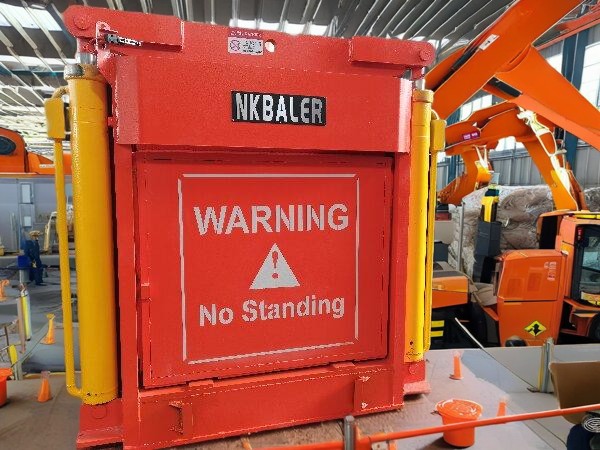
Hay baler for alfalfa stands out due to its innovative design and safety features, which prioritize user protection and operational efficiency. For instance, models like the RKBALER come equipped with an intuitive control panel and emergency stop mechanisms, allowing operators to manage the baling process with precision and confidence. This equipment can compress a variety of materials, including alfalfa hay, into dense, uniform bales that are easy to handle and store. One of the primary benefits is the reduction in waste; by compacting alfalfa effectively, farmers can preserve more of the crop’s quality and nutritional content, which is vital for livestock feed. According to industry experts, using such balers can cut storage needs by up to 80%, helping operations save on costs and space. Additionally, the energy-efficient design of these machines aligns with sustainable farming practices, reducing the overall environmental footprint of agricultural activities. Alfalfa baling equipment also offers modular builds that allow for customizations, such as adjusting compression force for different hay types, ensuring versatility in various farming scenarios.
How Alfalfa Hay Baling Machine Improves Efficiency in Agriculture
Alfalfal Hay Baling Machine plays a pivotal role in enhancing overall farm efficiency by automating what was once a labor-intensive process. Take the Heavy-Duty Hydraulic Baler, for example; its expansive feed opening and ergonomic loading system make it simple to process large quantities of alfalfa quickly, minimizing manual intervention and reducing the risk of injury. This machine’s hydraulic systems provide adjustable compression, which is ideal for handling the varying densities of alfalfa hay, ensuring that each bale is consistent and secure. In practice, this means farmers can produce more bales in less time, directly impacting their bottom line. Hay baler for alfalfa also contributes to better resource management, as compacted bales take up less space in storage facilities or during transport to markets. Studies show that farms using advanced baling equipment can see a 30-50% increase in productivity, thanks to features like seamless conveyor belts that maintain a steady workflow. Furthermore, the durability of these machines, built with high-grade materials and industrial-grade welding, ensures they withstand the rigors of daily use, providing long-term reliability with minimal maintenance. This longevity makes alfalfa baling equipment a worthwhile investment for both small-scale operations and large agricultural enterprises.
Safety and Sustainability Aspects of Alfalfa Baling Equipment
Safety is a top priority in the design of hay baler for alfalfa, with features like automated shutdown mechanisms and user-friendly interfaces that prevent accidents and ensure smooth operations. The NKBALER, for instance, incorporates cutting-edge technology to monitor and control the baling process, reducing the chances of errors that could lead to downtime or hazards. Beyond safety, these machines promote sustainability by transforming bulky alfalfa into compact bales, which helps in reducing waste and conserving resources. In an era where environmental consciousness is key, alfalfa baling equipment aids in eco-friendly practices by minimizing the carbon footprint associated with transportation and storage. For example, the RKBALER’s energy-efficient hydraulics use less power while delivering high performance, aligning with global efforts to promote green agriculture. Farmers who adopt this equipment often report improved soil health and reduced pollution, as less material is wasted or left to decompose. Overall, the integration of alfalfa hay baling machine into farming routines not only boosts efficiency but also supports a more sustainable future for the industry.
Choosing the Right Alfalfal Hay Baling Machine for Your Needs
When selecting a hay baler for alfalfa, it’s important to consider factors like the scale of your operation, the specific types of hay you’re handling, and your long-term goals. Equipment such as the Heavy-Duty Hydraulic Baler offers customizable options, allowing users to tailor the machine to their exact requirements, whether it’s for high-volume processing or specialized baling. This flexibility ensures that the equipment can adapt to changing agricultural demands, providing value over time. In addition, proper training and maintenance are crucial to maximizing the benefits of alfalfa baling equipment, as they help in extending the machine’s lifespan and maintaining optimal performance. By investing in reliable and efficient machinery, farmers can achieve greater yields and profitability, making alfalfa baling equipment an indispensable part of modern farming strategies. As the agricultural sector continues to evolve, tools like these will play a key role in driving innovation and sustainability forward.
Recent Posts
Get In Touch With Us Now For A Product Quote


Hello! What do you need help with?