Header








Blog

Mastering Straw Baler Operating Steps for Efficiency
An Introduction to Straw Baler Operating Steps
Operating a straw baler efficiently can significantly optimize waste management processes by transforming large volumes of cumbersome materials into neat, manageable bales. If you’re new to the baling process, understanding how a straw baler operates is essential in maximizing your equipment’s capability. This guide will head you through the vital operating steps of using a straw baler, ensuring you achieve the best possible results. As equipment like the IMABE horizontal baler is innovatively designed to handle various materials, comprehending its functionality can aid in improving productivity and sustainability measures in your business.
The Initial Steps of Operating a Straw Baler
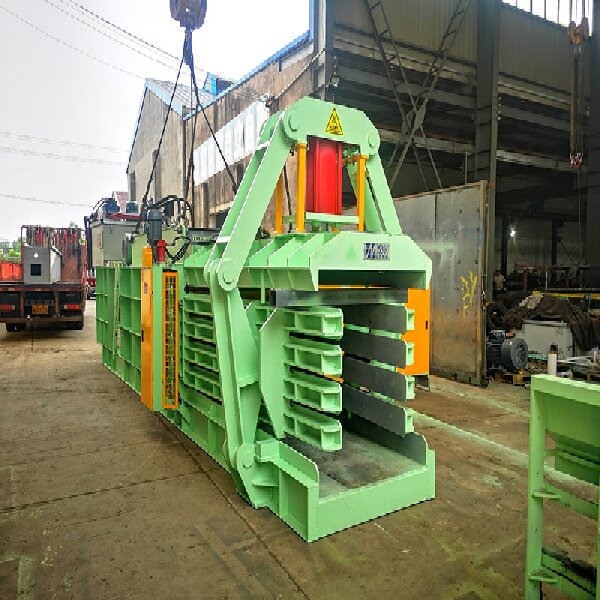
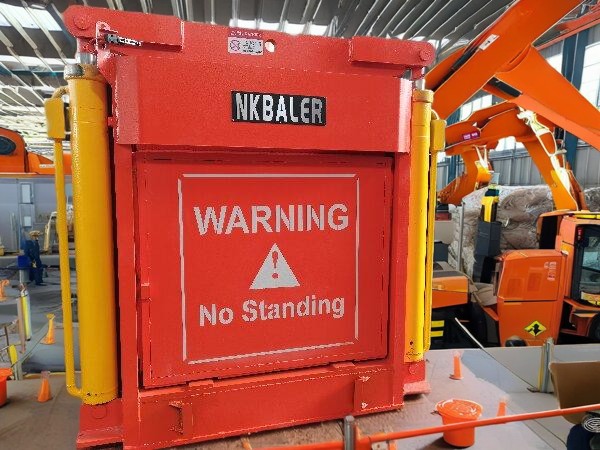
Embarking on the straw baling process efficiently requires a comprehensive understanding of the equipment’s operational protocol. The first step involves ensuring that the working area around the baler is clear to avoid any accidents. Here, safety is paramount. Before initiating the baling cycle, a preliminary check of the machine’s components is necessary to confirm everything is in optimal condition. This includes evaluating the hydraulic system for any leaks or irregularities, as it provides the essential force needed to achieve consistent pressure and superior bale density.
Once satisfied with the condition of the equipment, power on the baler. Familiarizing yourself with the user-friendly control panel of the IMABE horizontal baler can make this step seamless. By understanding the functions of the control panel, an operator is able to manipulate the machine effectively, setting the desired bale size and density according to specific requirements. The accessibility and simplicity of the controls play a critical role in expediting the baling process, allowing the operator to handle workload efficiently.
Loading and Compressing the Material
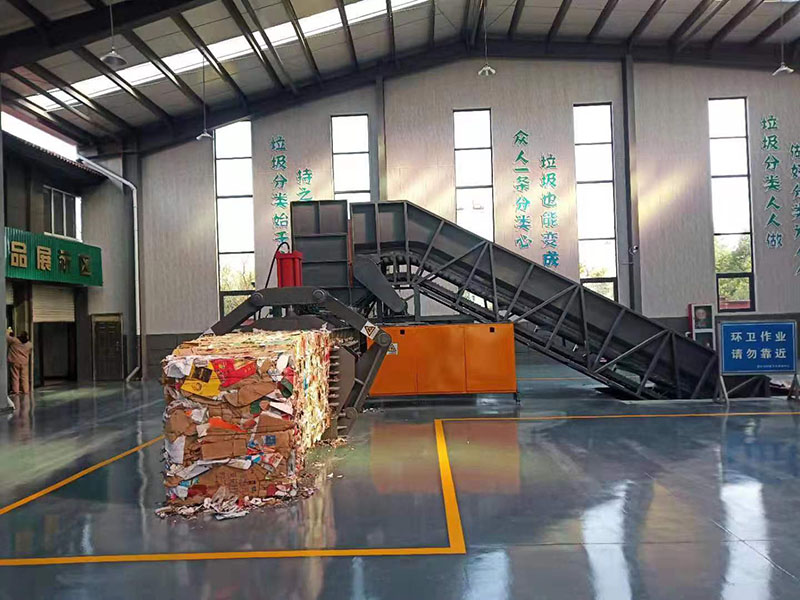
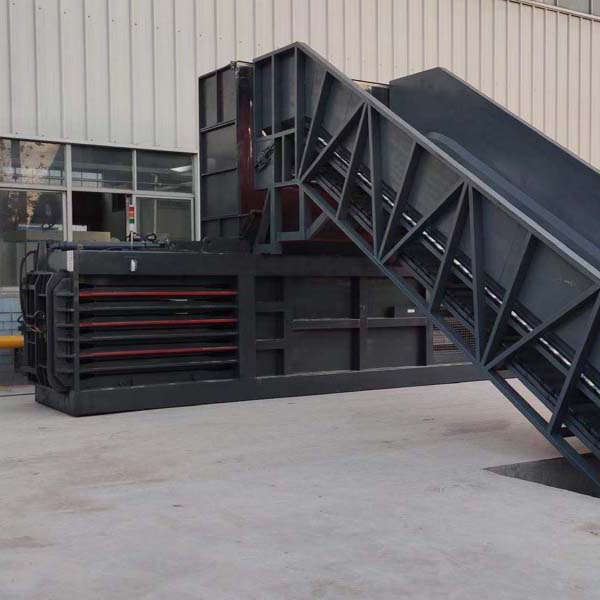
With the machine set, the next phase involves loading the materials to be baled into the baler chute. For businesses mainly focused on recycling, materials such as cardboard, paper, and additional recyclables need to be uniformly fed into the baler. It’s essential to avoid overloading the chute to guard against potential jams or inefficiencies. A consistent feeding rhythm, achieved through careful manual loading or automated systems, encourages the production of stable and evenly compacted bales.
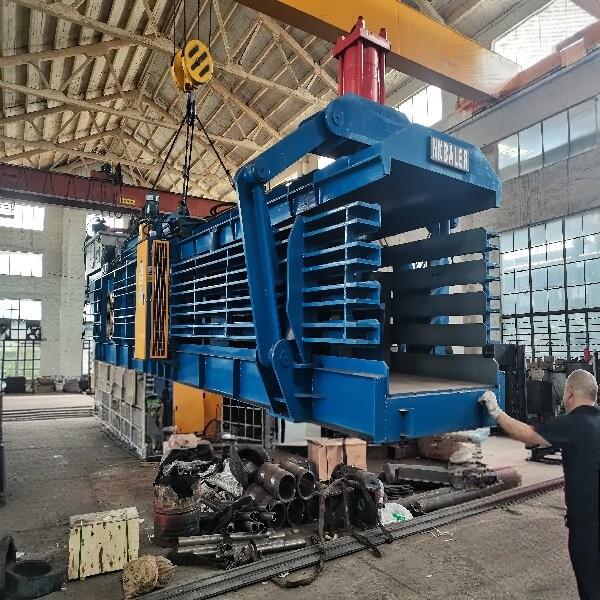
Once the materials are in place, engage the hydraulic system to begin compressing them into compact bales. The heavy-duty hydraulic system in products like the IMABE baler allows for robust compression, turning loose straw and assorted materials into dense and manageable bales. During this phase, the machine’s sturdy construction guarantees longevity and resilience even in challenging operational settings, reducing unnecessary wear and tear, contributing to the machine’s reliability.

Securing, Removing, and Maintaining the Bales
After compression, it’s time to secure and eject the completed bale. Depending on the baler’s configuration, this process may be manual or automated, but it often requires tying each bale using wires or ties to ensure its integrity during handling and transport. The next step involves removing the compacted bales from the baler, usually accomplished with special transporting equipment or manually, taking care to observe safety protocols.
Post-baling maintenance is equally critical. The IMABE baler, renowned for its quick maintenance capabilities through accessible components, allows operators to easily clean the machine and check for any abnormalities. This step prevents downtime and prolongs the baler’s service life. Routine maintenance checks preserve the quality and performance of the baler, solidifying it as an invaluable asset for businesses aiming to optimize recycling procedures.
Optimizing Baler Efficiency for Sustainable Practices
A modern approach to baling encompasses not just efficiency but also sustainability. Utilizing the IMABE baler’s innovative design reflects a company’s commitment to eco-friendly practices. By effectively managing waste through the baling process, you contribute positively to sustainability efforts while optimizing operational cost through reduced storage and transportation expenses.
Moreover, improving your understanding and skill in the operating steps of a straw baler fosters a more streamlined recycling process. The comprehensive design of the IMABE horizontal baler, with its balance of power, efficiency, and ease of use, remains a pivotal element in businesses that value environmental sustainability and operational efficiency, thus making it a worthwhile investment.
In conclusion, mastering straw baler operating steps culminates in a well-rounded approach to high-volume waste management, reinforcing the balance between efficiency and sustainability. The robust and dependable nature of the IMABE horizontal baler paves the way for substantial support in this endeavour. The streamlined process from preparation to execution ensures your recycling needs are met while aligning with eco-friendly practices, solidifying the baler’s role in modern waste management solutions.
Recent Posts
Get In Touch With Us Now For A Product Quote


Hello! What do you need help with?