Header








Blog

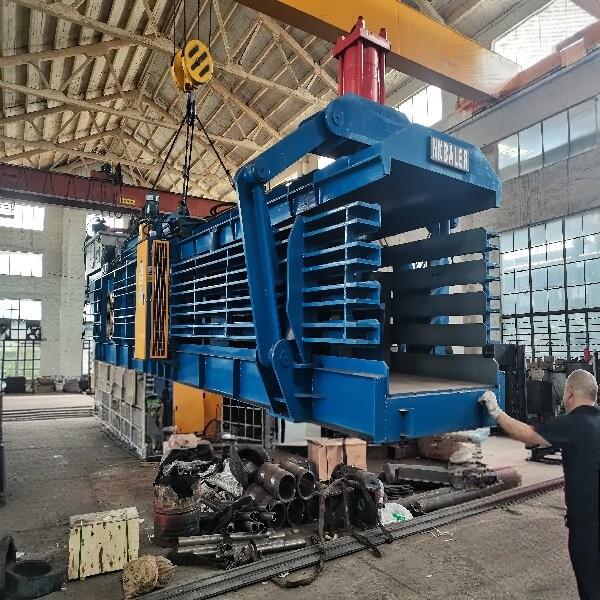
Wheat Straw Baler: Efficiency in Farm Waste Management
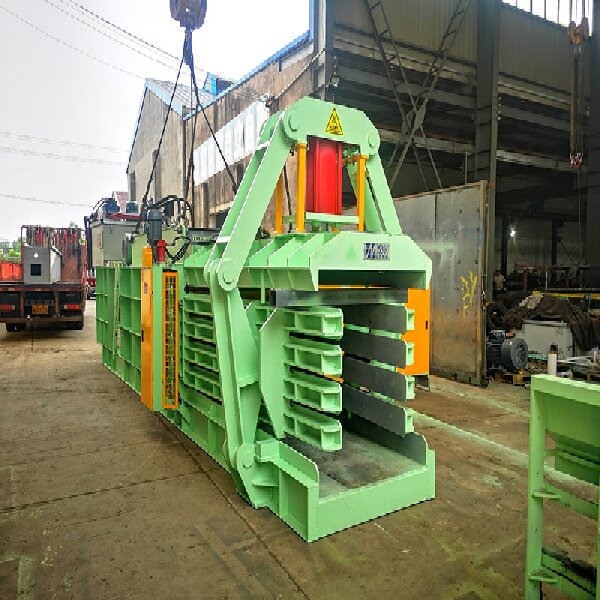
Wheat Straw Baler is an essential tool for farmers and agricultural businesses looking to streamline their operations and manage waste effectively. In the world of agriculture, dealing with wheat straw can be a significant challenge, as it often accumulates in large volumes, taking up space and complicating storage and transportation. This not only leads to inefficiencies but also contributes to environmental issues like soil erosion and nutrient loss if not handled properly. By introducing advanced baling technology, we can address these problems head-on, turning what was once a cumbersome byproduct into a valuable resource.

The Challenges of Managing Wheat Straw
In many farming operations, wheat straw is produced in vast quantities after harvest, creating a problem of excess material that is difficult to store or dispose of efficiently. Farmers often struggle with straw baling machine inefficiencies, where loose straw takes up valuable space in barns or fields, leading to potential fire hazards and pest infestations. This issue is compounded in regions with small-scale farming, where the lack of proper equipment makes it hard to compact and bundle straw for easy handling. Additionally, improper management can result in straw decomposing and releasing greenhouse gases, exacerbating climate change concerns. A small straw baler could mitigate these risks by compressing the straw into dense bales, reducing volume and making it easier to transport or sell as animal bedding or mulch. The core problem lies in the labor-intensive nature of manual handling, which is time-consuming and physically demanding, often leading to decreased productivity and higher operational costs.
Solutions Offered by Wheat Straw Balers
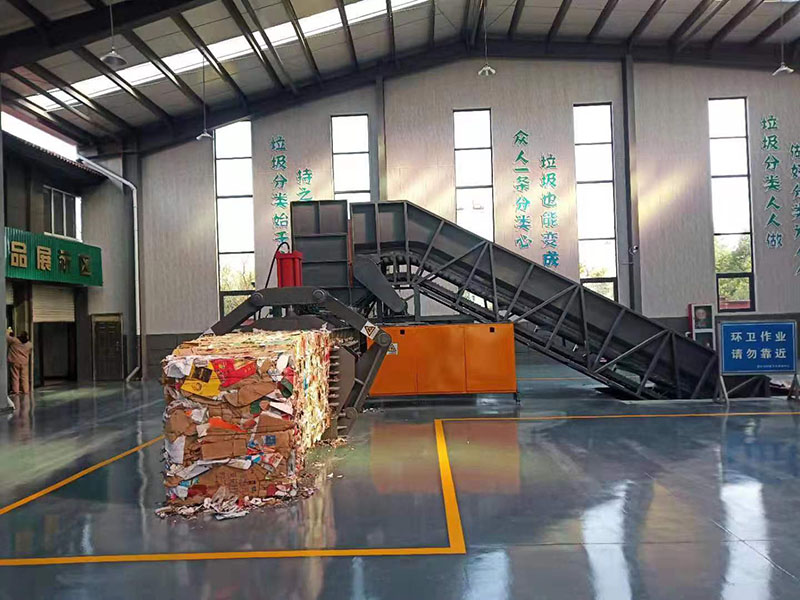
To combat the challenges of wheat straw management, investing in a wheat straw baler provides a practical and efficient solution. This machine automates the process of compressing straw into tight bales, significantly reducing the space required for storage and minimizing waste. For instance, an automatic straw baler can handle large volumes of straw quickly, allowing farmers to process their harvest without delays. By using this technology, operations can shift from manual labor to mechanized efficiency, saving time and reducing physical strain on workers. Wheat hay baler models are designed with user-friendly features, such as adjustable settings for different straw densities, ensuring that the bales are uniform and easy to handle. This not only addresses the immediate problem of space but also opens up opportunities for revenue, as baled straw can be sold to other industries like livestock feed production or gardening supplies. Moreover, these balers are built with durable materials to withstand the rigors of farm life, promoting longevity and cost-effectiveness over time.
Exploring Related Baling Options
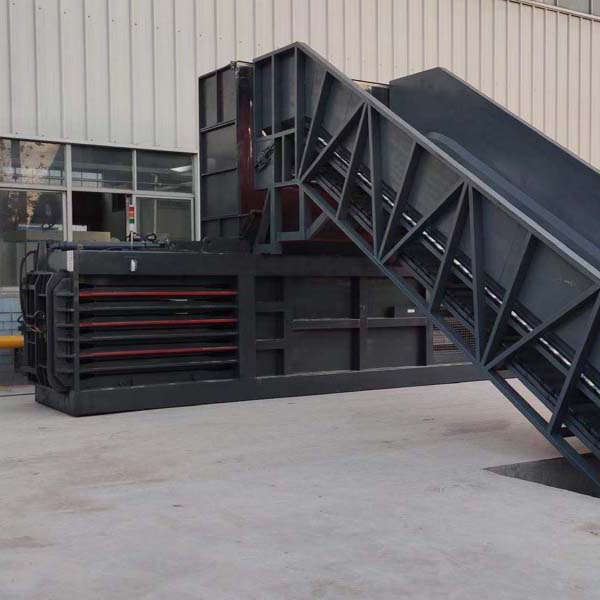
When considering straw baling machine options, it’s helpful to look at variations like the small straw baler, which is ideal for smaller farms or operations with limited space. This type of equipment is compact and portable, making it easy to move around different parts of a property, thus solving the problem of accessibility in remote or uneven terrains. An automatic straw baler takes things a step further by incorporating sensors and automated controls that minimize human intervention, reducing the risk of errors and injuries. For those dealing with both wheat and other types of hay, a wheat hay baler offers versatility, allowing users to switch between materials without needing multiple machines. These related options address specific pain points, such as the need for quick setup and operation, which is crucial during peak harvest seasons. By choosing the right baler, farmers can enhance their overall workflow, turning potential waste into a streamlined asset.
Benefits and Long-Term Advantages
The benefits of using a wheat straw baler extend beyond immediate problem-solving, offering long-term advantages that contribute to sustainable farming practices. For example, by compacting straw efficiently, farmers can reduce transportation costs, as smaller bales mean more can fit into a single truckload. This is particularly useful for wheat hay baler users who might need to export their products, cutting down on fuel consumption and emissions. Additionally, these machines promote environmental stewardship by encouraging the reuse of straw in various applications, such as erosion control or as a renewable energy source. A straw baling machine can also improve farm safety by minimizing the handling of loose materials, which often leads to accidents. In terms of economic gains, the initial investment in an automatic straw baler is quickly offset by savings in labor and storage expenses. Over time, this leads to increased profitability and a more competitive edge in the agricultural market.
Implementing Wheat Straw Balers in Daily Operations
Integrating a wheat straw baler into daily farm routines requires some planning, but the rewards are substantial. Start by assessing your specific needs, such as the volume of straw produced and the available space for equipment. A small straw baler might be sufficient for hobby farms, while larger operations could benefit from an automatic straw baler with higher capacity. Training staff on proper usage is key to maximizing efficiency and ensuring safety, as these machines come with intuitive controls that make them accessible even for beginners. Regular maintenance is also essential to keep the baler running smoothly, preventing downtime during critical periods. By addressing these implementation challenges upfront, farmers can fully leverage the capabilities of their wheat straw baler, transforming their approach to waste management.
Conclusion and Final Thoughts
In summary, the wheat straw baler represents a powerful solution to the persistent problems of straw management in agriculture, offering efficiency, sustainability, and cost savings. By adopting this technology, along with related options like straw baling machines and automatic models, farmers can overcome the hurdles of excess waste and turn them into opportunities for growth. This not only enhances operational productivity but also contributes to broader environmental goals, making it a wise choice for modern farming. As the industry continues to evolve, embracing tools like the wheat hay baler will be crucial for staying ahead, ensuring that agriculture remains both productive and eco-friendly.
Recent Posts
Get In Touch With Us Now For A Product Quote


Hello! What do you need help with?