Header








Blog

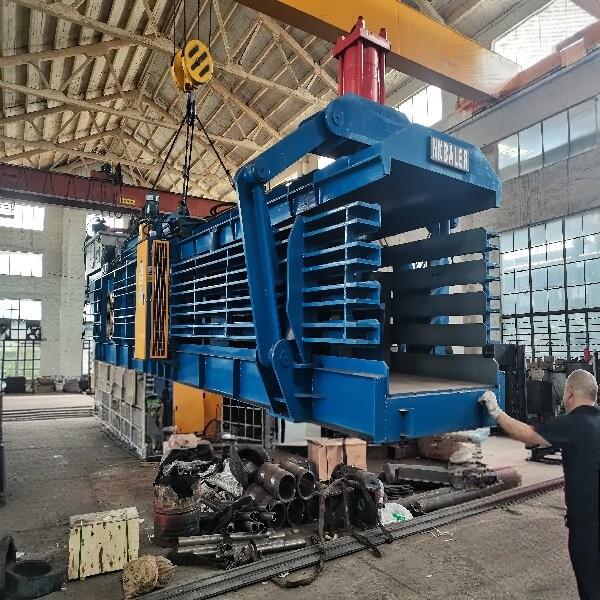
Wheat Straw Baler: Revolutionizing Farm Efficiency & Sustainability
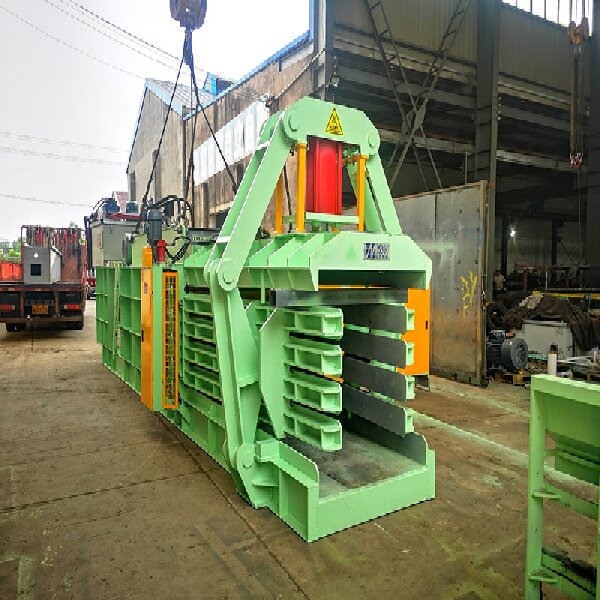
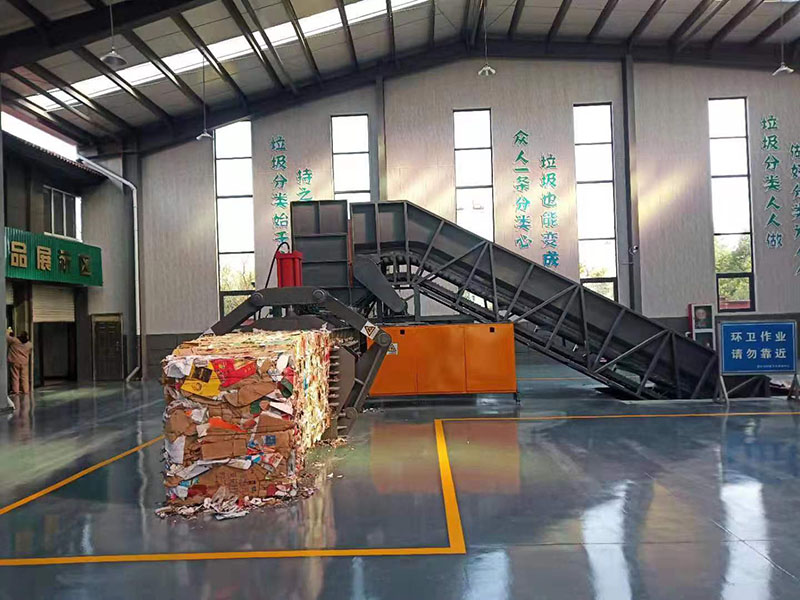
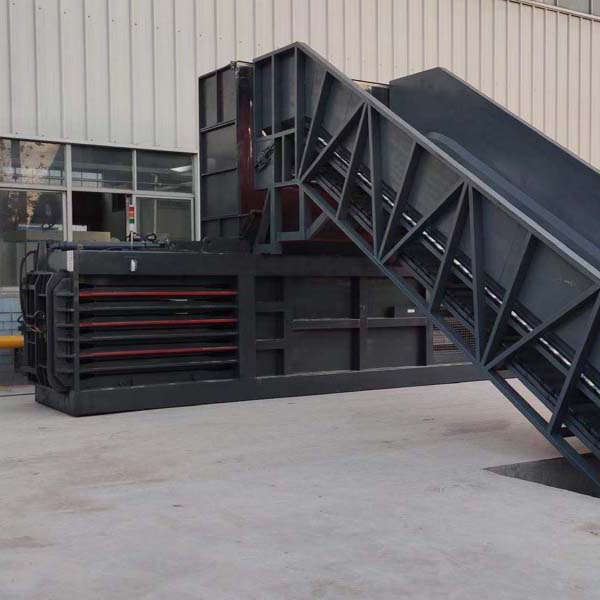
Wheat Straw Baler is an essential tool for modern agriculture, addressing the challenges of managing crop residues efficiently. In an era where farmers face mounting pressures from waste accumulation and inefficient storage, this machine offers a reliable solution to compact and handle straw effectively. With the rise of sustainable farming practices, a Wheat Straw Baler helps reduce environmental impact by turning loose wheat straw into neat, manageable bales, making storage and transportation simpler and more cost-effective.

The Growing Problem of Straw Waste in Agriculture
Farmers worldwide encounter significant issues with wheat straw and other crop residues after harvest. Loose straw can occupy valuable space in fields, barns, or storage facilities, leading to potential fire hazards, pest infestations, and difficulties in maintaining clean operations. Additionally, improper disposal contributes to environmental pollution, as burning or discarding straw releases harmful emissions that affect air quality and soil health. This problem is exacerbated in regions with high wheat production, where the sheer volume of straw generated can overwhelm traditional management methods. A straw baling machine becomes crucial here, as it automates the process of compressing straw, minimizing waste and promoting recycling. Straw baling machine technology not only tackles these challenges but also supports eco-friendly practices by converting waste into valuable resources like animal bedding or biofuel materials. With inefficiencies in manual baling leading to labor costs and time losses, the need for automated solutions has never been more urgent, making a wheat hay baler an indispensable investment for forward-thinking farms.
Introducing Effective Solutions with Advanced Baling Technology
To combat the inefficiencies of straw management, innovative machines like the Wheat Straw Baler provide a comprehensive solution. This automatic straw baler is designed with powerful hydraulic systems that exert high pressure to compress straw into dense, uniform bales, significantly reducing the volume for easier handling. For smaller operations, a small straw baler offers a compact and portable option, ideal for farms with limited space or resources. By integrating user-friendly controls and safety features, these machines ensure that operators can work efficiently without compromising on security. Straw baling machine innovations, such as those with adjustable settings, allow farmers to customize the baling process based on straw type and moisture levels, enhancing overall productivity. A wheat hay baler, in particular, excels in processing not just wheat straw but also other hay varieties, streamlining workflows and cutting down on manual labor. This approach not only solves storage problems but also opens up opportunities for selling baled straw as a commodity, turning a waste product into a revenue stream. With automatic straw baler features like quick cycle times and high-capacity hoppers, farms can process large quantities in less time, directly addressing the bottlenecks that hinder agricultural efficiency.
Benefits and Practical Applications of Wheat Straw Balers
Investing in a Wheat Straw Baler yields numerous advantages that extend beyond basic waste management. One key benefit is the reduction in transportation costs, as compacted bales take up less space and are easier to load onto trucks or trailers. This is particularly valuable for small straw baler users who operate on a budget and need versatile equipment for various tasks. Additionally, these machines promote sustainability by facilitating the reuse of straw in applications like livestock feed, mulch, or even bioenergy production, aligning with global efforts to minimize agricultural waste. A straw baling machine can handle different materials with precision, ensuring that the bales are tightly packed and resistant to weather damage, which preserves quality during storage. For instance, an automatic straw baler with advanced sensors can detect and adjust for variations in straw density, preventing jams and extending the machine’s lifespan. Wheat Straw Baler models are built with durable materials like reinforced steel, making them suitable for rugged farm environments and ensuring long-term reliability. By adopting this technology, farmers can enhance their operations’ profitability, as the initial investment quickly pays off through improved efficiency and reduced labor needs. Furthermore, wheat hay baler options often come with customizable attachments, allowing users to adapt the machine for specific crops or scales of operation.
Maximizing Efficiency and Sustainability in Everyday Use
Implementing a Wheat Straw Baler in daily farm routines can transform how straw is handled, making the process more streamlined and environmentally conscious. Operators appreciate the ease of use, with intuitive control panels that allow for precise adjustments without extensive training. This is especially true for small straw baler variants, which are lightweight and mobile, perfect for navigating tight spaces or multiple fields. An automatic straw baler takes the guesswork out of baling by automating key functions, such as tying off bales and ejecting them ready for storage, which saves time and reduces physical strain on workers. Straw baling machine advancements also focus on energy efficiency, using optimized hydraulic systems that consume less power while delivering superior results. In practice, a wheat hay baler can process residues from multiple harvests, helping farms maintain a clean and organized layout throughout the year. Wheat Straw Baler technology supports broader sustainability goals by encouraging the recycling of organic materials, thereby reducing the carbon footprint of agricultural activities. For larger enterprises, integrating these machines with other farm equipment creates a cohesive system that boosts overall productivity. The versatility of these balers means they can be used for various crops beyond wheat, broadening their appeal and making them a wise choice for diverse farming needs.
Conclusion: Embracing the Future of Straw Management
In summary, the challenges of managing wheat straw and similar residues are effectively addressed through the adoption of a Wheat Straw Baler, which combines innovation, efficiency, and sustainability. By investing in solutions like straw baling machines, small straw balers, automatic straw balers, and wheat hay balers, farmers can overcome waste-related issues and enhance their operations. This not only improves immediate productivity but also contributes to long-term environmental benefits. As agriculture continues to evolve, tools like the Wheat Straw Baler will play a pivotal role in shaping a more efficient and eco-friendly industry, encouraging farmers to prioritize quality equipment for better yields and resource management.
Recent Posts
Get In Touch With Us Now For A Product Quote


Hello! What do you need help with?